Superior Dementia Care Services: Why They Make a Difference for Households
Quality alzheimer's care solutions function as an essential function for families confronting the complexities of dementia. These services offer bespoke guidance that handles both the needs of residents and their caregivers. By facilitating safekeeping, contentment, and emotional connections, quality care assists in diminish social withdrawal. However, not all memory care facilities are created equal. Discerning what to copyrightine can greatly determine the quality of life of those touched. What key features should groups prioritize?
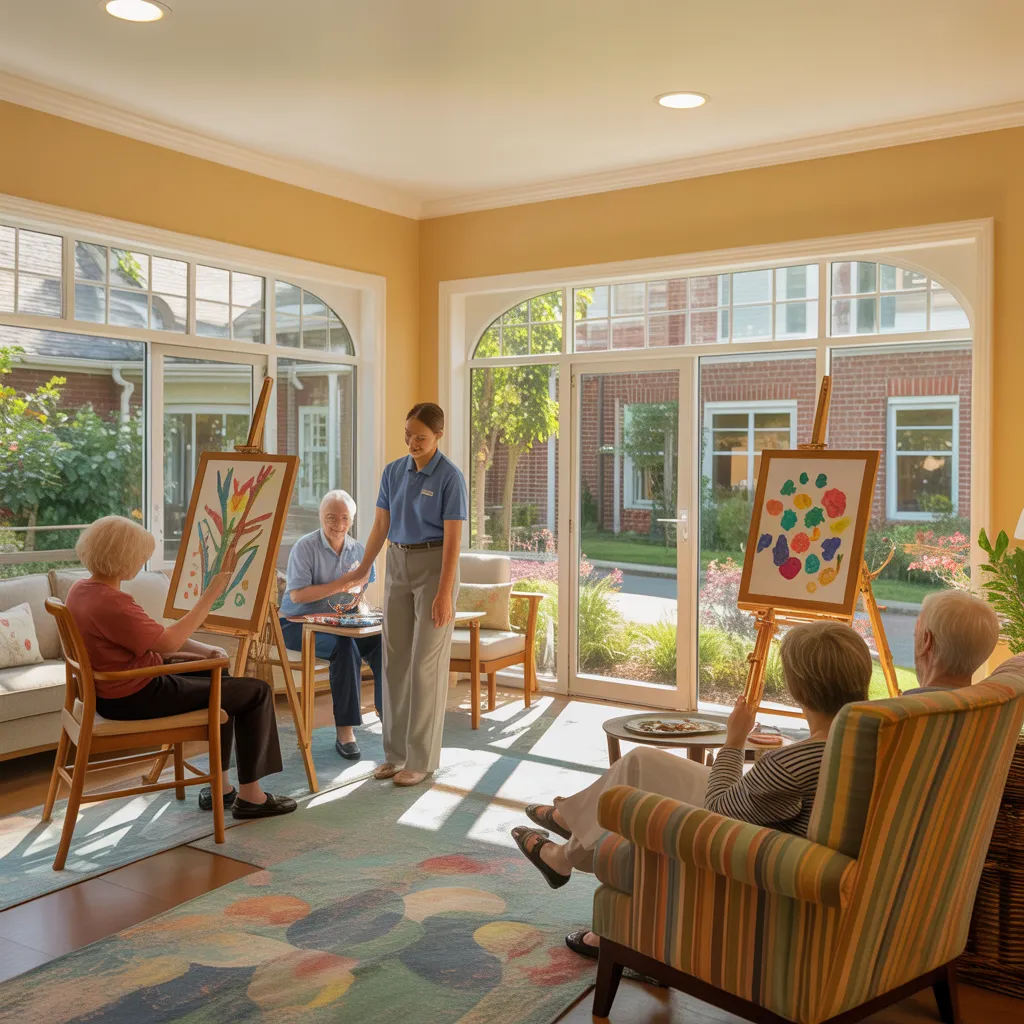
Dementia: Complications and Interventions
Dementia brings a complicated range of challenges for individuals, families, and support providers alike. The mental regression associated with dementia impacts memory, reasoning, and daily functioning, complicating routine tasks and increasing reliance on others. Families commonly contend with the emotional toll of witnessing their loved ones' decline, producing feelings of helplessness and frustration. Caregivers face the burden of managing physical care while handling the unpredictable behaviors associated with the condition.
To handle these challenges, premium dementia care programs deliver organized settings created to enhance the standard of living for individuals with dementia. Such programs typically include expert instruction for staff, tailored activity programs, and therapeutic interventions intended at preserving mental abilities. Additionally, these establishments provide respite for loved ones, enabling them to recharge while guaranteeing their family members receive appropriate care. Ultimately, successful approaches can considerably alleviate the burdens related to dementia, fostering a caring environment for all participating.
Emotional Help for Household Units
Looking after a family member facing cognitive decline can exert significant emotional strain on families. The challenges of daily caregiving responsibilities often causes emotions of loneliness, worry, and bereavement. Loved ones may grapple with the gradual loss of their family member's identity, creating a profound sense of sadness. This emotional burden can effect not only the main caregiver but also brothers, sisters, and extended relatives, leading to strained relationships and increased tension.
Having availability of psychological assistance is vital for families navigating these challenges. Support groups, therapeutic resources, and community resources can provide an space for exchanging stories and coping strategies. Connecting with people who understand similar struggles fosters a sense of belonging and decreases loneliness. In the end, prioritizing mental health is essential for families, as it allows them to deliver empathetic support while also maintaining their own mental health.
The Value of Dedicated Memory Services
Specialized memory care plays an indispensable role in enhancing the quality of life for people facing mental deterioration. These services are designed to address the specific needs of residents with conditions such as Alzheimer's or other forms of dementia. Skilled staff members comprehend the complexities of cognitive impairments and implement tailored approaches that promote engagement and comfort.
In a tailored environment, residents gain organized schedules that help alleviate anxiety and disorientation. Activities are deliberately planned to boost cognitive function and foster social interaction, fostering a sense of community. Additionally, the emphasis on safety and security assures that individuals can navigate their surroundings without unnecessary risks.
Families commonly achieve comfort knowing their treasured relatives are accessing focused assistance in a supportive atmosphere. Overall, dedicated cognitive care not only addresses physical needs but also promotes emotional well-being, making it a crucial component of care for those struggling with cognitive decline.
Critical Factors to Analyze in Memory Care Facilities
When copyrightining memory care institutions, what essential elements should families emphasize? Principally, safety measures are vital. Facilities should provide protected areas that prevent wandering, with components like enclosed outdoor spaces and monitored entry points. Additionally, attendant-to-resident ratios are essential; higher ratios often signify more personalized care and care.
Finally, kinfolk should consider the qualifications and training of caregivers. Staff should be trained in dementia support, ensuring they understand the specialized requirements of residents. Activities and programming fashioned to encourage cognitive function and social interaction also play a key role, as they strengthen quality of life.
In addition, loved ones should consider the facility's cleanliness and overall atmosphere. A pleasant environment can tremendously influence residents' well-being. Finally, transparency regarding complete information costs and services is critical, giving relatives to make well-informed choices. By focusing on these core elements, relatives can opt for the best memory care facility for their family members.
Why Quality Memory Care Promotes Personal worth and Ease
Exceptional memory care offerings focus on dignity and comfort through adapted strategies that respond to particular wants. Custom support frameworks, integrated with kind staff relationships, produce a supportive environment for individuals. Concurrently, protected and dynamic spaces inspire a sense of belonging and well-being, promoting the complete standard of living.
Individualized Treatment Programs
Personalized care plans play a crucial role in enhancing the dignity and comfort of individuals in memory care facilities. These tailored approaches address each resident's unique history, preferences, and cognitive abilities, making sure care is effective but also respectful. By including families in the development process, facilities promote a united environment that values the individual’s needs and wishes. This personalization improves the sense of identity and autonomy, letting residents engage in activities that reflect their past experiences. Additionally, personalized care plans can evolve over time, meeting changing needs and preferences. Such attention to individuality greatly enhances quality of life, encouraging emotional well-being and a sense of belonging within the care community.
Empathetic Staff Relations
Successful memory care depends not only on tailored care programs but also on kind relations between staff and residents. These interactions create an atmosphere of trust, essential for residents experiencing memory loss. Caring caregivers approach each resident with empathy, recognizing their unique histories and emotional needs. Through engaging in meaningful conversations and showing patience, these caregivers enhance the honor of each individual, ensuring they feel valued and understood. This approach not only soothes anxiety but also fosters a sense of belonging, important for emotional well-being. In the end, quality memory care thrives when staff prioritize compassionate engagement, turning care from a routine task into a nurturing experience that prioritizes comfort and respect.
Protected, Interesting Locations
Building a secure and stimulating environment is vital for enhancing dignity and comfort in memory care facilities. Top memory care centers focus on secure surroundings, minimizing risks linked with wandering or accidents. Carefully planned spaces encourage independence, enabling residents to navigate freely while feeling safe. Activities that are engaging and personalized to individual interests stimulate cognitive function and build social connections among residents. These environments promote participation, lowering feelings of isolation and boosting overall well-being. Moreover, the atmosphere should express warmth and familiarity, incorporating personal touches that resonate with the history of each resident. By integrating safety with engagement, memory care services not only preserve individual dignity but also offer a comforting space where residents can thrive despite their challenges.
The Way Community Support Impacts Cognitive Care Programs
Community cooperation plays an fundamental role in refining memory care services by fostering relational bonds and bonding among individuals. Access to resources within the community can greatly improve the quality of care, offering core tools and information. Additionally, strengthened social involvement prospects minister to the overall vitality of those affected by memory challenges.
Emotional Relationship and Connection
Emotional connections serve as a cornerstone in memory care, fostering an atmosphere where individuals are valued and understood. In memory care settings, community support cultivates meaningful connections among residents, caregivers, and families. These bonds not only enhance emotional well-being but also promote a feeling of belonging. When caregivers engage with empathy with residents, they create a safe space for sharing feelings and experiences, which can alleviate feelings of isolation. Additionally, group activities and social interactions encourage residents to connect with one another, reinforcing their sense of identity and purpose. This emotional foundation greatly impacts the overall quality of care, as individuals thrive when they feel connected, ultimately leading to improved cognitive function and a better quality of life.
Gaining Entry to Resources
Having access to support plays a key role in advancing memory care services, building upon the strong emotional connections developed among residents and caregivers. Community support provides essential tools and information that aid families in making wise decisions about care options. Local organizations frequently offer educational workshops, respite services, and support groups, which can relieve the burden on caregivers and enhance their understanding of dementia-related challenges. Access to experienced professionals, such as social workers and therapists, further enhances the care experience. Furthermore, collaboration with regional healthcare facilities guarantees that residents receive thorough and coordinated care. Overall, a strong network of community resources fosters a nurturing environment that significantly boosts the quality of life for individuals with memory impairments and their families.
Strengthened Social Engagement
How can enhanced social engagement alter the circumstances of individuals with memory impairments? Engaging socially within a supportive community offers emotional and cognitive benefits that are essential for those experiencing memory challenges. Involvement in team-based activities nurtures relationships, reducing moods of separation and sadness. These contacts spark thinking skills, preserving existing talents and possibly curtailing intellectual deterioration. Additionally, community support cultivates a notion of acceptance, which can greatly improve emotional health and complete satisfaction. Memory care facilities that highlight community participation construct atmospheres where people can establish close bonds, elevating quality of life. This communal approach not only supports residents but also supplies families with peace of mind, knowing their loved ones are thriving in a caring space.
Long-Term Gains of High-Quality Memory Care
While many families may initially seek memory care services primarily for immediate support, the long-term benefits of quality memory care go well past short-term relief. These services not only provide essential daily support but also create a structured environment that encourages cognitive engagement and emotional well-being. Through customized programs and therapeutic interventions, residents can experience improvements in memory retention and overall mental health.
Furthermore, superior cognitive support services cultivates a sense of community, reducing loneliness and worry often associated with memory disorders. This caring environment helps families by alleviating stress and providing peace of mind, knowing their loved ones are in competent care. Moreover, skilled staff members can offer ongoing guidance, helping families manage the complexities of dementia care. Ultimately, investing in quality memory care services yields substantial benefits, improving the quality of life for both individuals with memory impairments and their families over the long term.
Frequently Posed Questions
What Are the Methods to Spot Early Indicators of Memory Challenges?
Early indicators of memory problems can consist of regular memory lapses, trouble keeping up with discussions, misplacing items, struggling to recall recent events, and shifts in emotional state or conduct. Observing these symptoms may justify a medical assessment for additional review.
What Costs Are Connected to Memory Care Programs?
Charges pertaining to memory care services vary considerably, typically ranging from $3,000 to $7,000 monthly. Factors determining pricing include location, facility amenities, and the degree of personalized care vital to each individual.
What Considerations Should I Evaluate When Selecting a Memory Care Facility?
Selecting the appropriate memory care facility requires exploring available choices, visiting locations, evaluating staff qualifications, copyrightining security protocols, copyrightining resident activities, and taking into account family input, ensuring that the facility aligns with the person's specific needs and preferences.
What Impact Do Caregivers Provide in Dementia Care?
Caregivers give key assistance in memory care by delivering emotional companionship, lending support with daily chores, and instituting bespoke care plans. Their training and compassion greatly heighten the life standards for individuals with memory impairments.
Do Memory Care Services Cater to Different Stages of Dementia?
Memory care solutions can effectively accommodate different stages of dementia by tailoring support and therapies to individual needs. This adaptability promises residents access fitting support, enhancing their life satisfaction throughout the development of dementia.
|Alzheimer's and Dementia Services: Tailored Memory Care Programs
Memory care services serve a vital role in assisting individuals with Alzheimer's and dementia. These focused services focus on improving quality of life through customized treatment approaches and trained staff. They establish safe environments that promote cognitive engagement and social interaction. Understanding the essential features of these services can help families manage the complexities of care. What specific elements contribute to their effectiveness, and how can families best engage in this journey?
Understanding Memory Care Solutions and Their Benefits for Families
How exactly do memory care services work, and in what ways can they support families navigating the obstacles of mental deterioration? Memory care programs are specialized programs created to help people with Alzheimer's disease, dementia, and other cognitive impairments. These programs provide a structured environment tailored to satisfy the unique needs of residents, promoting safety, engagement, and respect.
Families often encounter emotional and practical difficulties when caring for loved ones dealing with memory loss. Memory care facilities offer support through trained staff who understand the complexities of these disorders. This encompasses developing personalized care plans, overseeing proper medication administration, and facilitating social interactions.
The setting in memory care settings is intentionally created to reduce confusion and encourage autonomy, allowing individuals to participate in purposeful pursuits. By offering respite for caregivers, memory care services allow loved ones to focus on their health and wellness while knowing their family members are in a safe, supportive environment.
Important Aspects of High-Performing Memory Care Solutions
Successful memory care initiatives establish several essential features that enhance the quality of life for residents. First, tailored care plans are fundamental, as they handle each resident's unique needs, preferences, and challenges. These plans are regularly updated to reflect any changes in condition. Additionally, trained staff members provide specialized support, ensuring that caregivers acknowledge the complexities of Alzheimer's and dementia.
Additionally, engaging in activities intended to boost cognitive function and support social interaction are critically important. Initiatives commonly include brain training, arts and crafts, and musical treatment, establishing a sense of community among residents. Secure and protected settings are likewise crucial, allowing participants to traverse without restriction while lowering the chance of injury.
Finally, family involvement is promoted, building a support system that helps residents feel connected. Together, these features add to a comprehensive strategy that emphasizes dignity, comfort, and well-being.
What Methods Do Memory Care Facilities Foster Safety and Ease?
Memory care facilities are developed with many protective measures that notably enhance residents' well-being and general welfare. These facilities typically incorporate secure layouts that reduce confusion and wandering, ensuring that residents can navigate without the threat of becoming disoriented. Non-skid surfaces, grab bars, and well-lit common areas additionally add to a secure atmosphere.
Plus, specialized care environments regularly incorporate calming colors and familiar decor to craft a soothing ambiance. This deliberate design reduces anxiety and encourages a sense of belonging. Green areas are important, providing residents with access to nature, which evidence suggests improve mood and overall health.
Emergency response systems and staff instructed in safety protocols validate that help is readily available when needed. By honing in on these elements, memory care environments stress the safety and comfort of residents, helping them to thrive in a supportive setting tailored to their unique needs.
How Experienced Staff Drive a Impact in Memory Care
While the environment has an essential role in cognitive support, the expertise and compassion of trained staff are equally important to boosting residents' standard of living. Skilled practitioners grasp the challenges of Alzheimer's and dementia, employing targeted approaches to connect effectively with residents. Their ability to detect unique requirements allows for tailored assistance, fostering a atmosphere of protection and reliance.
Additionally, staff members are trained to manage challenging behaviors, using compassion and understanding to de-escalate possible emergencies. They develop engaging activities tailored to residents' interests, promoting cognitive stimulation and community connection. Continuous training ensures that staff stay updated on proven methods and innovative approaches in memory care.
This knowledge not only improves the mental health of patients but also gives relatives with assurance in the support their family members obtain. Ultimately, the passion and abilities of qualified professionals make a significant influence on the total quality of life of clients managing memory loss.
Families' Role in Memory Care: Best Practices
Involving family members into memory care is critical for maximizing the welfare of individuals struggling with memory difficulties. Effective communication methods and coordinated family engagement initiatives can solidify these relationships, fostering a compassionate setting. By stressing family participation, care providers can more adequately address the particular needs of each person.
Powerful Communication Techniques
Effective dialogue approaches play a crucial role in enhancing the standard of care for individuals with memory impairments. Plain, straightforward speech is essential; care providers and loved ones should speak slowly and use familiar terms to prevent misunderstanding. Body language signals, such as physical movements and expressions, can greatly aid understanding and promote emotional connections. Engaged attention is critical; caregivers should provide complete focus, acknowledging emotions and answering with consideration. Additionally, maintaining a serene and tolerant manner helps create a nurturing atmosphere. Consistency in routines and communication techniques also benefits individuals with cognitive challenges, as it reinforces recognition. Overall, these strategies not only enhance interactions but also deepen connections, ensuring that people feel valued and understood throughout their care journey.
Family Involvement Programs
In memory care, family involvement is essential as it greatly enhances the well-being of individuals facing cognitive challenges. Inviting family members to participate in activities fosters emotional connections and helps establish a supportive environment. Recommended practices include setting up regular family visits that encourage meaningful interactions, such as sharing stories or joining in therapeutic games. Further, family members can contribute to care planning, ensuring their loved ones’ preferences and histories are honored. Educational workshops also provide families with knowledge about Alzheimer’s and dementia, equipping them to better support their loved ones. Ultimately, steady family involvement not only enhances the quality of care but also builds stronger relationships, cultivating a sense of belonging for those in memory care settings.
Different Memory Care Plans You Can Access
A wide variety of memory care options are accessible to address the diverse needs of individuals facing cognitive challenges. These choices span from specialized memory care facilities to at-home care support. Cognitive care centers provide a secure environment with qualified professionals to help residents with daily activities, promote socialization, and involve them in memory enhancement programs.
In-home care solutions allow individuals to obtain personalized support in familiar surroundings, providing companionship and assistance with everyday activities while maintaining independence.
Adult day programs function as a temporary solution, delivering structured activities and social interaction while the sun is up for those who need supervision.
Additionally, temporary care services provides short-term relief for family caregivers, guaranteeing their family members get expert assistance while caregivers take a break.
Each selection meets to varying levels of need, guaranteeing that individuals with Alzheimer's and dementia get the suitable assistance customized for their particular situations.
Financial Implications of Cognitive Care Programs
Individuals and their relatives work through the complexities of memory care services, and financial considerations become a crucial aspect of the process of making decisions. The expenses associated with memory care can vary significantly, based on elements such as the level of care required, facility location, and offered amenities. Monthly fees for memory care facilities often span between several thousand to over ten thousand dollars.
Families need to analyze insurance options, including long-term care insurance, Medicare, and Medicaid, as these can shape out-of-pocket expenses. Additionally, recognizing potential hidden costs—such as therapy services or specialized activities—is necessary.
Setting aside funds for future care demands is vital, as the course of Alzheimer's or dementia may require increased levels of support. Exploring financial assistance programs and local resources can also provide comfort. Ultimately, a meticulous financial plan assures that families can maintain the quality of care their loved ones deserve.
Popular Questions Posed Frequently
What Is the Average Length of a Memory Care Service?
A memory care program's standard timeframe is variable, commonly lasting from several months to years, contingent upon individual needs, the severity of cognitive decline, and the specific aims established by caregivers and healthcare professionals.
How Should I Determine the Ideal Memory Care Facility for My Loved One?
Finding the best residential care option means researching options, inspecting sites, evaluating staff qualifications, evaluating security features, understanding available activities, and looking at the facility's atmosphere to guarantee it corresponds to the loved one's needs.
Is Memory Care Services Coverage Provided through Insurance or Medicare?
Memory care programs may be partially covered by Medicare, generally for brief care periods. However, long-term care frequently requires private coverage or personal expenses, prompting families to investigate different options for monetary assistance.
Which Services Are Provided in Memory Care Facilities?
Memory care programs typically deliver experiences such as art therapy, music sessions, exercise classes, cognitive games, gardening, and social events. These experiences work to enhance residents' cognitive functions, promote social interaction, and elevate overall well-being.
What Are the Best Ways to Communicate Effectively With Someone With Alzheimer's or Dementia?
Effective communication with a person with Alzheimer's or dementia requires using basic terminology, maintaining eye contact, speaking slowly, and remaining patient. Body language signals, such as movements and facial expressions, can enhance comprehension and rapport.
|Enriching Lives With Specialized Memory Support Services
Specialized memory care services attend to the unique needs of individuals facing cognitive challenges. These services focus on personalized care plans and engaging activities designed to boost emotional well-being. Structured environments serve an important role in encouraging security and independence. Families also benefit from support in the care process. Understanding how these components interconnect can provide meaningful insights into improving quality of life for residents and their loved ones. What are the key components of effective memory care?
Critical Insights About Memory Care Facilities You Need to Know
What considerations should one contemplate when exploring memory care services? First, it is crucial to evaluate the amount of support needed based on the person's unique circumstances, including their mental capabilities and daily living skills. The setting of the facility plays a significant role; a safe, secure, and engaging atmosphere can significantly improve the well-being for residents. Staff qualifications and education are also important, as specialized training in dementia care guarantees that caregivers are equipped to handle challenging behaviors with empathy. Additionally, it is crucial to review the facility's strategy for programming and community involvement, which can create feelings of connection and inclusion. Finally, family involvement and support services should be assessed, as they support the general health and happiness of both residents and their loved ones. By thoroughly considering these factors, families can make informed decisions regarding memory care programs.
Specialized service plans are essential in memory care, as they handle the distinct wants and requirements of every resident. These approaches are customized to take into account individual backgrounds, cognitive faculties, and emotional well-being. By copyrightining each resident's abilities and difficulties, caregivers can establish techniques that promote dignity and independence while ensuring security and ease.
Designing personalized care plans encourages a bond of community and optimizes overall life satisfaction. Residents feel cherished when their preferences regarding daily routines, activities, and social interactions are considered. Additionally, these plans enhance effective communication between caregivers and families, ensuring everyone is united in supporting the resident's process.
Periodic copyrightinations of these plans permit adaptations based on fluctuating demands, promoting a dynamic care approach. Ultimately, personalized care plans function as a pillar for devoted, quality memory care, bringing about improved outcomes and a better living experience for residents.
Compelling Engagements for Memory Care
Stimulating initiatives constitute a critical component of memory care, driving cognitive stimulation and community involvement. These initiatives are intended to boost mental function while nurturing connections among residents. By implementing tailored programs, memory care facilities can build a caring atmosphere that addresses both intellectual and affective needs.
Mental Challenge Activities
Cognitive stimulation exercises play a vital role in enhancing the caliber of life for those in memory care. These exercises, designed to engage the mind, can comprise puzzles, memory games, and problem-solving tasks that support cognitive function. By taking part in these activities, residents can boost their memory, attention, and overall mental agility. Such activities provide not only mental engagement but also cultivate a sense of achievement and purpose. Furthermore, customized cognitive stimulation can be adjusted to individual preferences and capabilities, ensuring each person stays actively involved. In summary, these exercises are essential to maintain cognitive health and foster a positive atmosphere within memory care settings. Through consistent participation, individuals may experience an improved mood and enhanced sense of well-being.
Social Interaction Opportunities
Connection is important for people in memory care, as opportunities for social engagement significantly enhance their overall health. Activities focused on social interaction, including group games, art classes, and community outings, help build relationships among residents. These interactions not only offer enjoyment but also stimulate cognitive function and emotional health. Consistent involvement in social activities encourages communication and reduces feelings of isolation, which are typical in memory care settings. Besides, structured social settings allow caregivers to watch interactions, customizing support to each person's requirements. By fostering a sense of belonging and community, social engagement plays a crucial role in improving the quality of life for people living with memory challenges, reinforcing their dignity and self-worth.
Nurturing Settings in Dementia Care
Establishing caring spaces in memory care is important, since these spaces significantly impact residents' wellness and quality of life. Comfortable, safe, and personalized environments help residents feel secure and esteemed. Well-planned layouts support mobility and accessibility, lowering confusion and boosting comfort.
Lighting, colors, and recognizable décor serve important functions in forming tranquil settings that inspire positive memories. External areas, such as gardens and walking paths, present possibilities for unwinding and bonding with nature, additionally enhancing the experience.
Staff professional development in understanding and dialogue builds meaningful interactions, enabling care professionals to more fully grasp and respond to residents' needs. Similarly, established routines create a sense of stability, helping to alleviate stress. Together, these factors strengthen a integrated care model that tackles not only the cognitive challenges associated with memory loss while fostering emotional and social well-being, allowing individuals to flourish.
The Way Memory Care Facilities Help Families
Memory care facilities play an vital role in assisting families by providing psychological assistance and practical resources. They offer training sessions that equip families with the knowledge needed to navigate the intricacies of memory-related conditions. This holistic approach fosters a deeper bond between families and their family members in care.
Emotional Assistance For Families
Many relatives facing the difficulties of a loved one with memory impairment find solace in the emotional support provided by specialized memory care facilities. These facilities often offer empathetic teams trained to understand the particular hardships families endure. Regular support groups enable families to connect with others in similar situations, fostering a sense of community and shared experience. Additionally, individualized counseling sessions can address specific emotional needs, helping families navigate feelings of remorse, sorrow, and distress. Memory care facilities also provide resources that encourage open communication among family members, promoting healthier dynamics. This emotional support not only aids families in coping but also enhances the quality of care their loved ones receive, creating a more uplifting environment for all involved.
Instructional Guides And Classes
Many memory care facilities offer valuable educational resources and workshops designed to empower families navigating the complexities of cognitive decline. These initiatives often address essential topics, such as the progression of memory loss, interaction techniques, and caregiving techniques. By providing expert-led sessions and engaging conversations, facilities help families develop a deeper understanding of their loved ones' conditions.
Moreover, materials including informational pamphlets and distance learning options bolster in-person workshops, verifying families have access to critical knowledge at their convenience. Support groups may also be integrated, strengthening community connections among family support providers. Ultimately, these instructional programs not only boost caregivers' skills but also promote emotional resilience, allowing families to face challenges with higher confidence and compassion.
Actual Success Stories From Memory Care Facilities
Success accounts from memory care centers demonstrate the profound impact tailored assistance can have on people facing cognitive challenges. One resident, Mrs. Thompson, experienced notable progress after engaging in personalized art therapy sessions. Initially withdrawn, she began to communicate herself creatively, leading to enhanced social interactions and emotional wellness.
A further success story spotlights Mr. Garcia, who prospered in a regimented daily schedule designed to stimulate memory retention. Through the use of cognitive exercises and reflective memory therapy, he reclaimed his gift for remembering cherished family moments, fostering ties with dear family members.
Facilities additionally incorporate technology-assisted activities, such as virtual reality experiences, which have supported residents like Ms. Patel navigate familiar environments, minimizing anxiety and confusion.
These actual cases illustrate how customized memory care solutions not only enhance life quality but also empower individuals, allowing them to participate more completely with their surroundings and communities.
Frequently Asked Questions
What Requirements Do Staff Members Have in Memory Care Centers?
Memory care center staff members typically have professional qualifications such as certifications in nursing, psychology, or social work, plus specialized training in dementia care, communication skills, and experience in tackling behavioral complications tied to memory impairments.
How Do Facilities Oversee Medication Management in Memory Care?
Medication management in memory care facilities includes trained staff administering prescriptions, monitoring dosages, and ensuring timely intake. Regular evaluations are carried out to alter medications as needed, focusing on residents' safety and well-being throughout their care.
Will Health Insurance Plans Pay For Memory Care Services?
Programs for memory issues may be partially funded by your insurance plan, depending on the policy. Families should consult their insurance providers to grasp particular coverage information, including any restrictions and prerequisites for eligibility pertaining to memory care establishments.
What Safety Measures Are in Position for Occupants?
Safety measures for clients commonly feature secure environments, knowledgeable personnel, rapid response procedures, frequent safety checks, and monitoring systems. These strategies function to discourage elopement and maintain a protective, compassionate environment for subjects with memory challenges.
Can Inhabitants Participate in Trips Away From the Facility?
Yes, residents can participate in getaways removed from the facility. These excursions are carefully planned to guarantee security and gratification, facilitating individuals to interact in their surroundings while gaining the necessary support throughout the event.
}